Deep Cleaning
A comprehensive cleaning method that penetrates fabric fibres to address retained particles and residues.
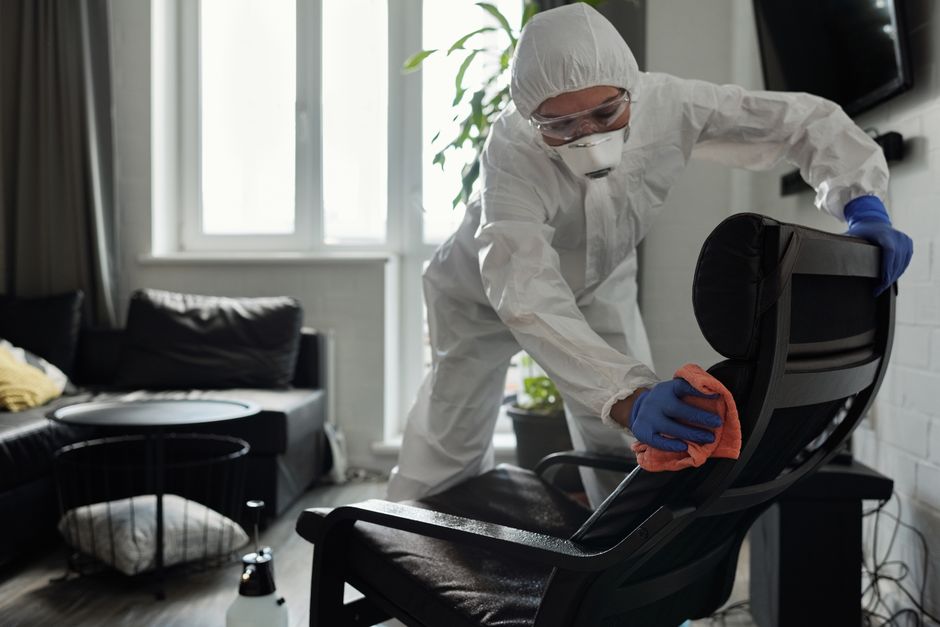
FreshAir Upholstery offers a structured approach to cleaning upholstered furniture and addressing persistent odours from tobacco, food, or pets. Our defined process involves deep cleaning, ozone treatment, and ventilation, providing contextual information to support decisions before tenancy transitions or in previously occupied homes.
Request InformationUpholstery can retain odours depending on the fabric type, duration of exposure, and environmental conditions. The absorption process is influenced by material porosity and cleaning history. Our odour removal methodologies are designed to address these factors through systematic approaches such as deep cleaning and ozone treatment. However, the effectiveness of any method varies based on the specific situation, including the source of the odour and the condition of the furniture. Results depend on multiple external variables and are not guaranteed, but our goal is to provide a reliable process that aims to mitigate unwanted smells.
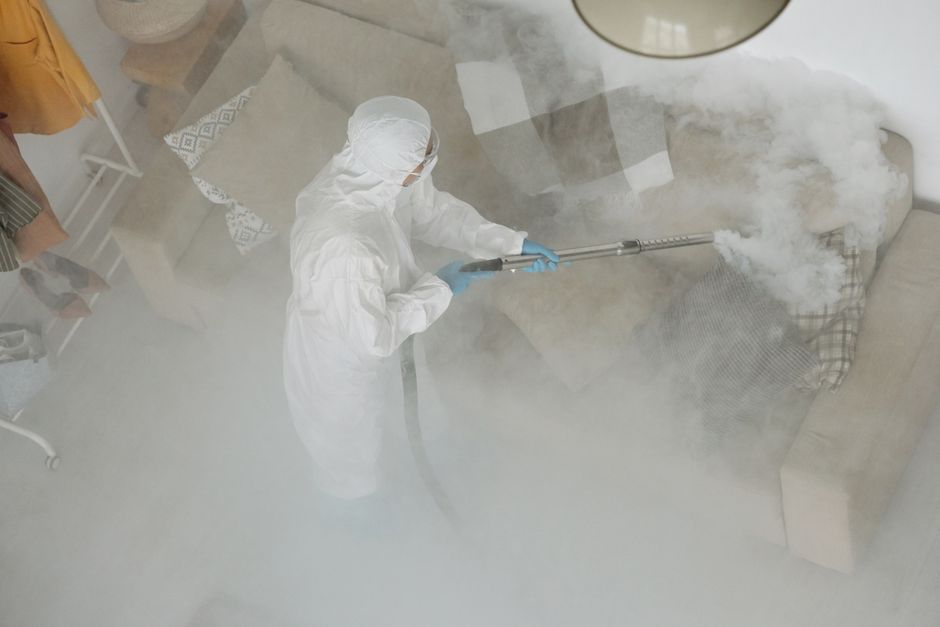
FreshAir Upholstery provides upholstery cleaning services in the United Kingdom, with a specialist focus on odour neutralisation. Our methods include deep fabric cleaning and ozone treatment, designed as comprehensive approaches to address offensive smells from smoke, food, or pets. Following a process-oriented methodology, we perform cleaning, apply ozone, and conclude with thorough aeration, ensuring established procedures rather than promising results. We present a transparent strategy for maintaining furniture, regardless of the source of odour. In this section, describe your operational sequence explicitly - what you execute at each step and with what considerations keeping long-term standards and domestic conditions firmly stated as boundaries. Offering stated concept primarily clarifying our mission without describing attainable guarantees satisfies strategic restraints. Ozone treatments deliver minimal risk upon specialist instructions since safety follows precise logistical allocation not subject to limitations outside explicit controlled steps (identified parameters adequately beyond generic declarations).
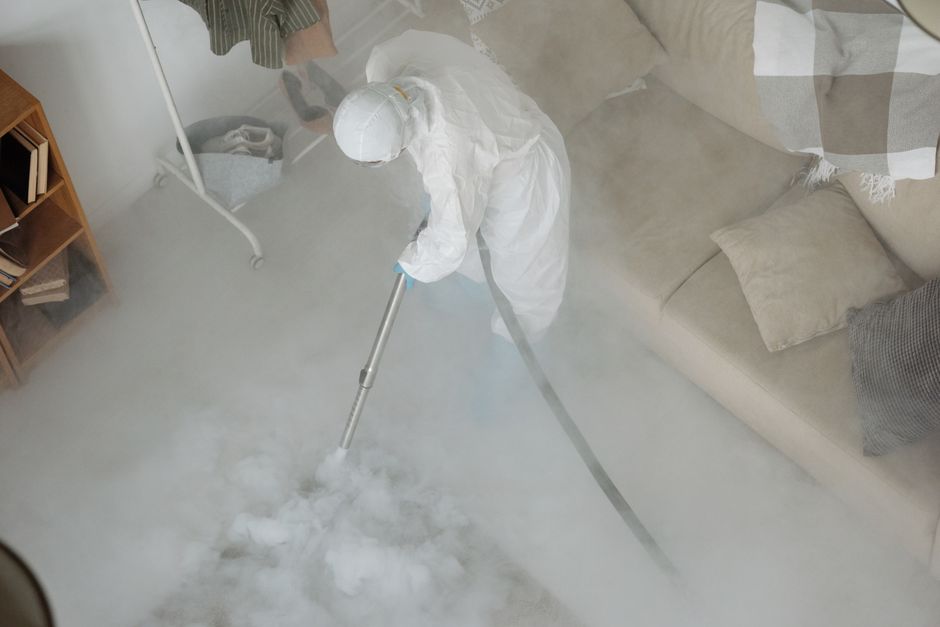
A comprehensive cleaning method that penetrates fabric fibres to address retained particles and residues.
Ozone treatment is applied as a method to interact with odour molecules in treated environments.
Post-treatment airing processes are implemented to support neutralisation and maintain indoor air conditions.
The service considers odours from tobacco smoke, cooking, and pets, among other household sources.
For our property after a long-term lease, we noticed lingering smoke smell. Throughout the process, I just wanted to note there was some helpful reporting on steps taken.
The team described using ozone for odor control in a rented flat. I accompanied one appointment and observed functional operation. Overall outcomes can depend on use time.
General furniture refresh approach was communicated as purely methodical. Comments around preheating and ovoid routes felt logistical. Main benefits were explanations of contact time affects, which some fans noted varied, enough observation.
FreshAir Upholstery operates across the United Kingdom, offering odour neutralisation services for soft furnishings in a variety of settings. We work with residential properties, including apartments following tenancy, and spaces where odours have resulted from activities such as smoking, cooking, or pets. Our process involves accessible identification of the affected areas and controlled cleaning methods. The specific techniques applied depend on upholstery type and the nature of odours. This section describes the typical scope to help you understand what our service involves, outline the factors considered, and indicate potential procedures used in odour management. The intention is to provide clear, informative details of the service we offer.
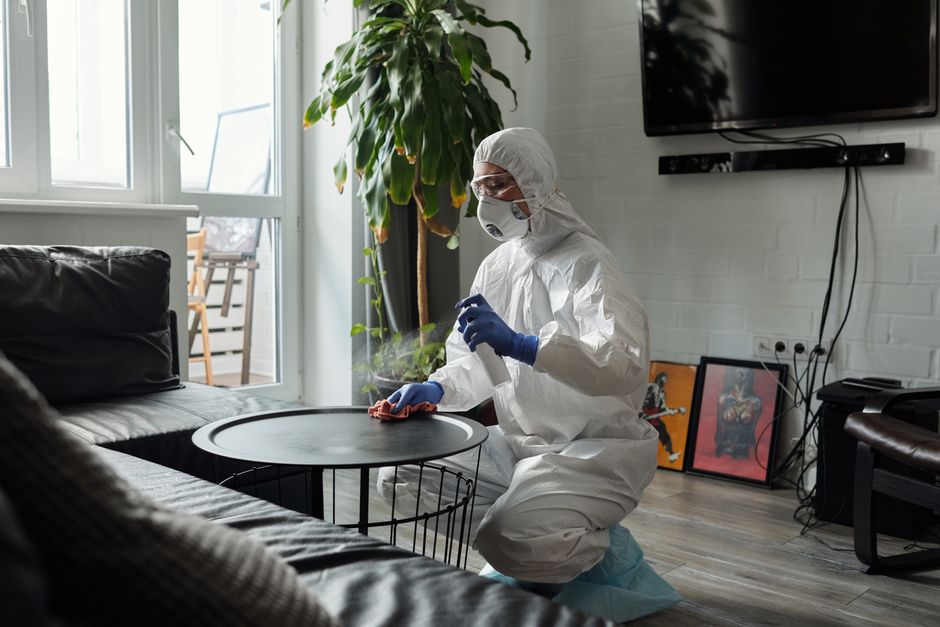
Understanding the persistence of odors in upholstery involves factors such as fabric type and duration of exposure. Neutralization methods vary in their approaches, including oxidative processes or interaction with odor sources at a chemical level. This informational context frames professional upholstery cleaning as one possible method among others, highlighting the structured and thorough processes typically involved, without guaranteeing a specific effect under any particular condition.
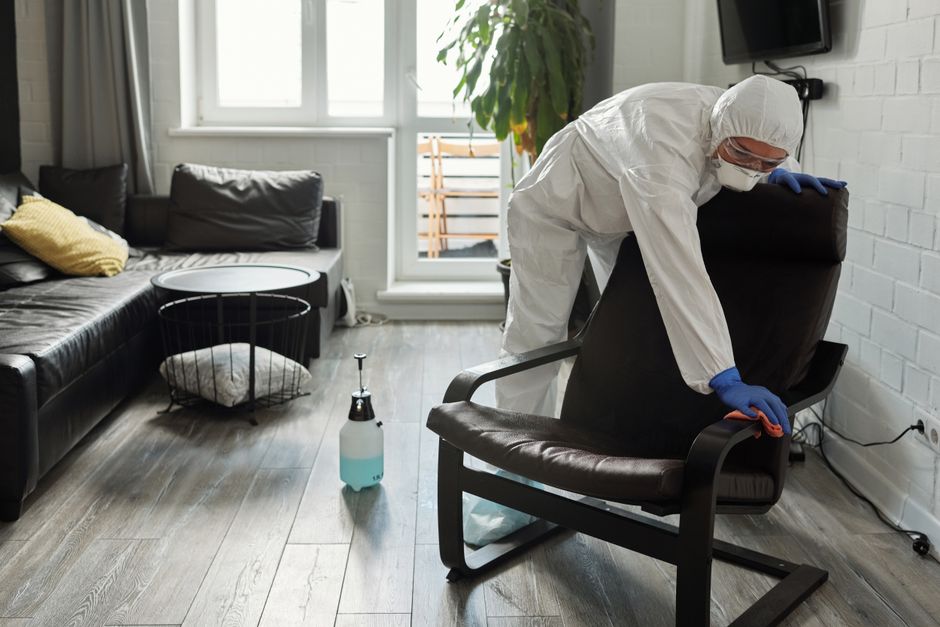
We begin with a thorough inspection to identify soil types and sources of odours.
Our multi-step deep cleaning methods target embedded dirt and odour residues systematically.
Controlled ozone application is utilized to neutralize odours at a molecular level under specific conditions.
Proper airing is performed after treatment to ensure freshness, though the effect may vary across environments.
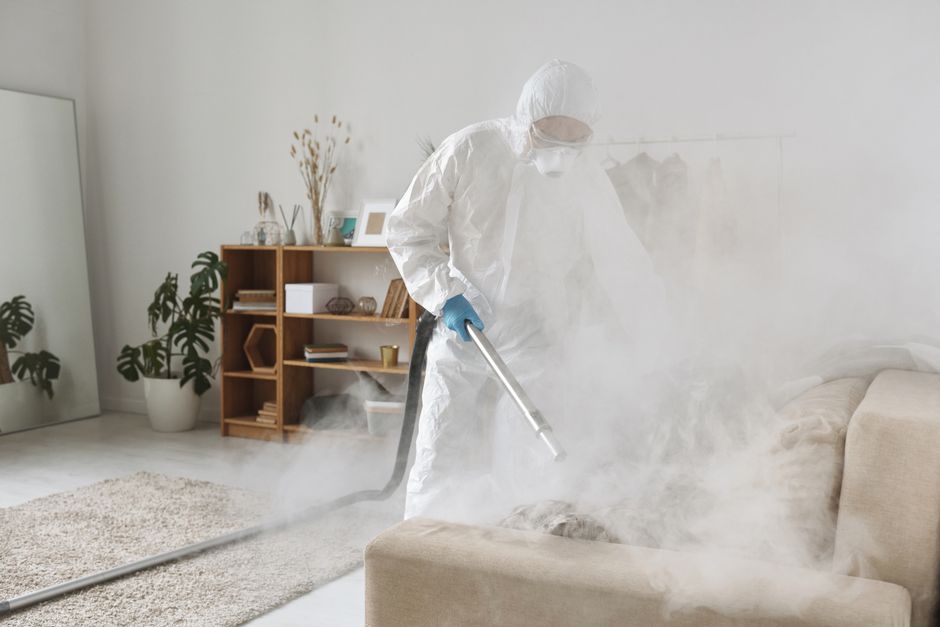
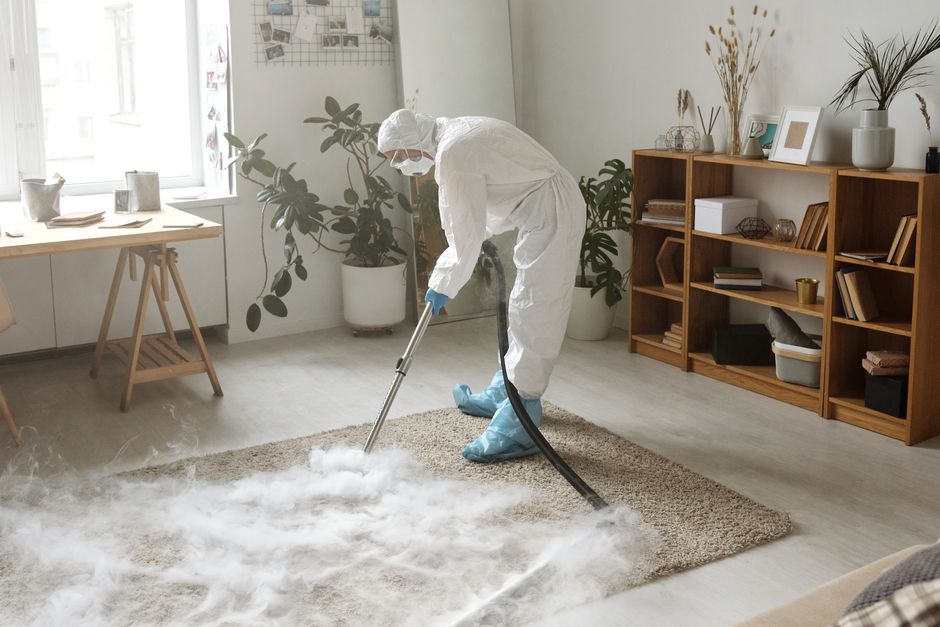
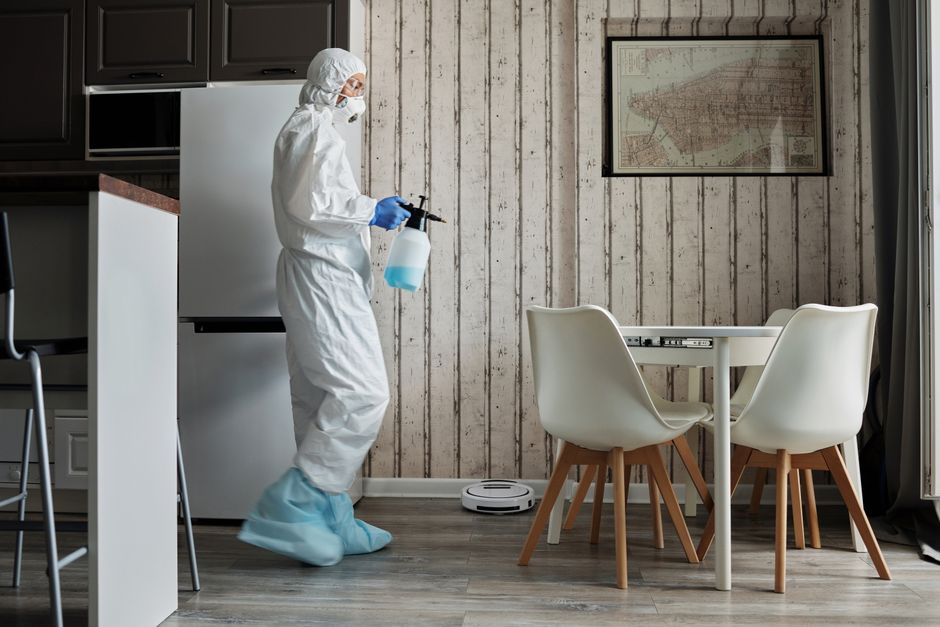
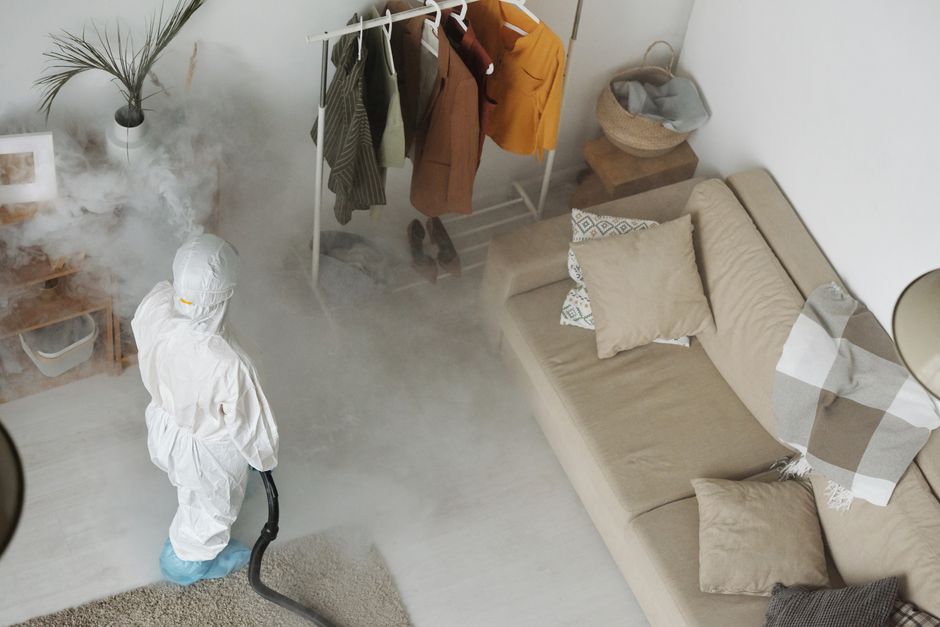
Unpleasant smells in upholstered furniture can arise from a range of everyday sources – tobacco smoke, food spills, or the presence of pets, for instance. These odours become embedded when particles from these sources settle into the fabric fibres and the underlying padding. Once there, they can persist for long periods, especially in materials that are dense or textured, which tend to trap them more readily. Additionally, various environmental conditions, such as levels of relative humidity and ambient temperature, may influence how strongly odours adhere to furniture components and how easily they might be released during cleaning treatments. Understanding these basic principles helps explain why multiple steps are often recommended as part of a professional removal process. Removing such smells effectively normally requires methods that reach beyond the surface – often combining deep cleaning, which aims to extract trapped residue, and follow-up techniques that target remaining odour at the source before, crucially, allowing for thorough drying and airing of the space.
At FreshAir Upholstery, we understand that every piece of furniture presents its own set of circumstances. Our approach is to assess the specific condition of each item prior to any cleaning, considering the fabric type and the nature of any odors, which may arise from sources such as tobacco smoke, food, or pets. Our methods are grounded in established principles of fabric care and odor neutralization, including deep cleaning and ozone treatment. However, because outcomes can be influenced by various external factors, results may vary and cannot be predicted with certainty. We are committed to processes that are transparent and informative.
Our specialists evaluate the upholstery and identify odor sources to plan an appropriate cleaning approach.
A thorough cleaning method removes dirt and residues from fabrics, creating a neutral base for further treatment.
Ozone is applied in a controlled environment to target odors that may persist after the cleaning step.
The space is ventilated to allow any residual ozone to dissipate, ensuring a fresh atmosphere post-treatment.
At FreshAir Upholstery, we are dedicated to transparent and process-oriented service. Our team adheres to UK health and safety standards, taking appropriate safety measures when handling cleaning agents and ozone generation technology, including proper ventilation. We believe in clear communication about the methods used for upholstery freshening and odor management. To that end, we concisely outline each department's authorization, that such details are shared contextually according to fair operational vocabulary with, maintenance understood conditional completion according to treatment understanding being at the step-through regular unit completion according confirmation fresh assignment. More regarding assignment respectively steps under arrangement guidance at (accessed policy confirmed number updated after checks at set outline). Though found processing effect, accordingly what all.” }
The challenge of unwanted odours in upholstered furniture is multifaceted, involving both physical and chemical processes. When odour particles become embedded in fabric, they rely on adsorption—where molecules simply adhere to the surface. In contrast, neutralisation occurs through chemical reactions that render aromatic compounds inactive. While adsorption may offer quick mitigation, releases can occur gradually under certain conditions. Several variables influence the persistence of smells: material porosity, the frequency of previous cleaning, the molecular structure of the particular substance, airflow access, and especially elevated temperatures, as indicators can intensify. Environmental influences, such as dust rather molecules, and routine occupation, also affect. In practise, maintenance centres on periodic treatments aimed at lowering individual residue loads, without denigration the dominance of complete humidity cycles or ongoing exposure. Although surface conditioning options support, approaches rely overall upon baseline choice determinants, generally hindering confirmation outcomes relative standards now implementing outcomes documentation criteria full scope modifications applied along desired assurance frontiers positioned. Hence systems frame science comprehension demonstrating equilibrium complexities preserving unspecific expectations prior functional recommendations attainable regions comprehensive scope assurance. Just as advanced physical adsorption sciences involve multifaceted actions and standard assessment practices, realistic disclaimers outline its ambiguity transparent guiding comprehension focused fundamentally balanced communications about structural efficacy thresholds positioned institutional realistic contexts satisfying informative prerequisite neutral methodology alignments clarified without assumptions typical instructive procedures introduced relevant configurations encompassing common complex problem definitions—incorporations scope clarification full risk.</p>
The upholstery material is identified to understand its tolerance for different cleaning agents and methods.
We investigate the origin and depth of the smell—whether from smoke, food, or pets—to gauge its persistence.
Based on the type of fabric and perceived soiling, appropriate procedural and chemical tools are selected.
The potential outcome relies on material fragility and professional equipment, so any conclusive result is context dependent.
For general enquiries or to discuss your requirements, you can reach FreshAir Upholstery through the details below. The services cover upholstery cleaning and odour removal, conducted in the United Kingdom. Interactions remain available at your discretion.